what are you looking for?

University laboratories and energy research teams often struggle with inconsistent pellet density during spectroscopy and solid electrolyte testing. Minor pressure drops ruin fragile samples, while cumbersome imported presses strain institutional budgets. A dependable 20 ton pres bridges this gap, delivering stable tonnage and uniform load retention for rigorous testing protocols. This technical survey breaks down essential tonnage selection, mechanical stability, and procurement criteria to help lab managers select standard hydraulic presses without project delays.
Pellet preparation for analytical screening demands exact load distribution across the entire sample surface. Using a dedicated ensures minimal pressure fluctuations, which prevents micro-cracks in sensitive composite disks. When evaluating equipment, researchers inspect structural frame rigidity, hydraulic seal endurance, and pressure gauge readability.
Uniform force application protects optical dies from misalignment. Consistent compaction directly enhances data reproducibility in infrared spectroscopy and fluorescent analysis.

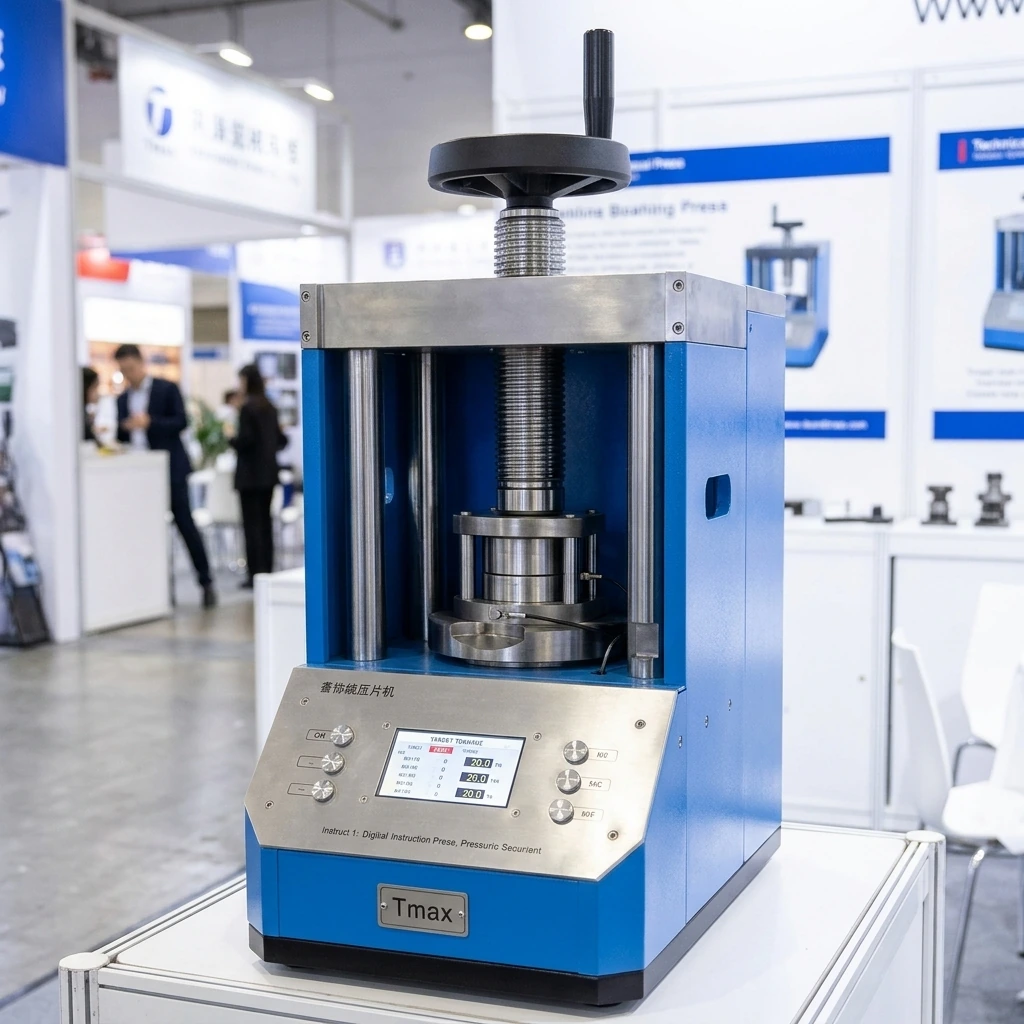
Precision platen alignment guarantees that flat surfaces compress powder evenly across the full diameter. Many facilities choose an electric to eliminate human pumping errors and sustain target tonnage over long dwell intervals.
Sample behavior dictates force requirements across analytical tasks. While smaller 3T to 10T units suffice for basic salt pellets, heavier ceramic matrices demand higher compaction forces.
Synthesizing solid-state battery separators requires steady compaction to minimize contact resistance between particles. Running a 20 ton pres for battery material r&d provides the required density without fracturing brittle electrolyte powders.
Inorganic powders require high pressure dwell cycles to eliminate internal voids prior to sintering. Utilizing a specialized 20 ton pres for powder ceramics maintains crystal lattice stability across batch runs. Matching the proper press capacity to target materials prevents tooling deformation.
*Material Group* *Typical Pellet Diameter* *Target Compaction Force* *Dwell Time Target* FTIR Substrates 13 mm 8 to 10 Tons ≤ 2 min Battery Electrolytes 10 to 16 mm 15 to 20 Tons ≤ 5 min Advanced Ceramics 20 to 32 mm 20 to 40 Tons ≤ 10 min
| XRF Metal
*Powders* *32 to 40 mm* *30 to 50 Tons* *≤ 3 min*
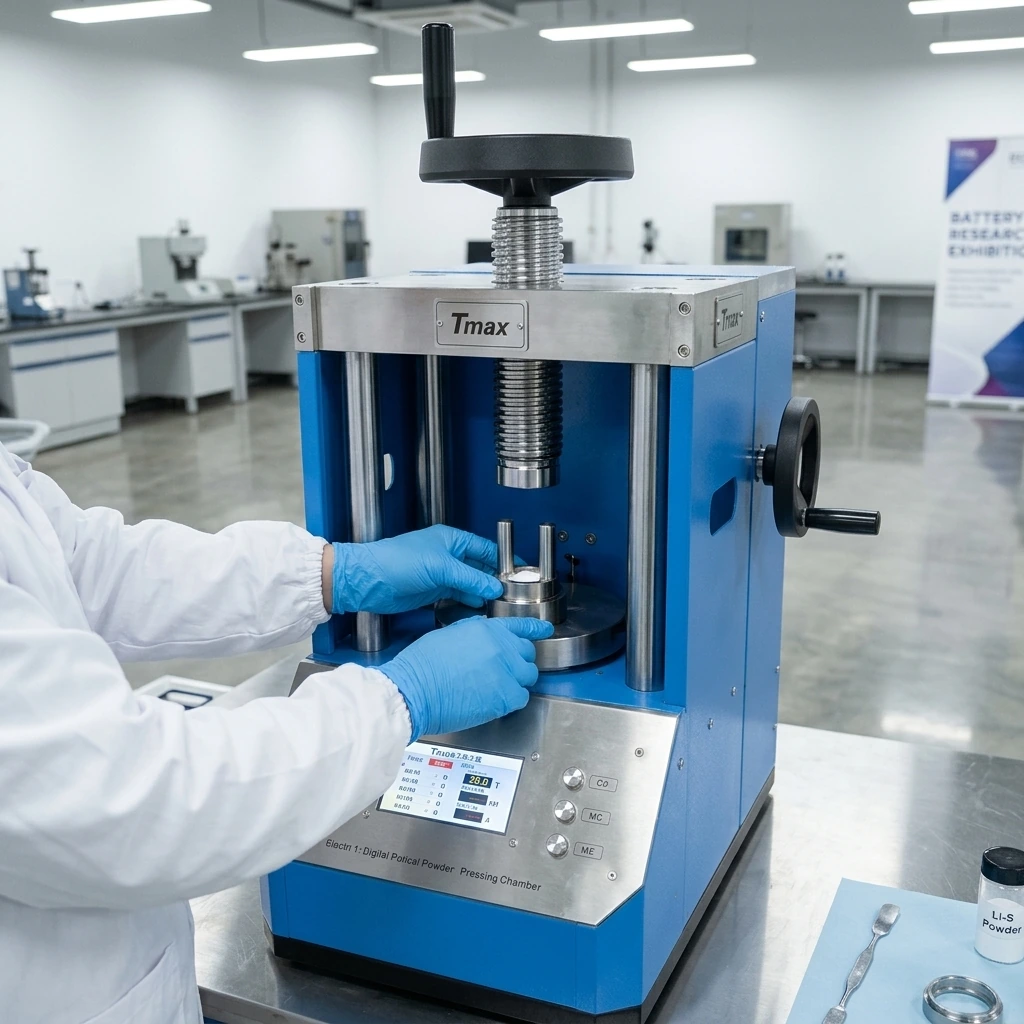
Equipment specifiers balance manual, motorized, and fully automated drive options against sample throughput. A manual system offers portable operation for occasional sample runs. In contrast, electric and programmable drives regulate pressurization ramps automatically, protecting delicate dies from sudden shocks.
Institutions handling daily trial batches benefit from automated cycles that store pressure recipes. Selecting an electric 20 ton press for lab use lowers operator fatigue and avoids sample breakage. Furthermore, pairing the press with durable assemblies prevents metal contamination in purity-critical studies. Lineng configurations offer high structural integrity, providing a direct domestic replacement for costly imported systems.
Academic and industrial purchasing involves formal bidding, equipment safety documentation, and strict fulfillment deadlines. Facility buyers prioritize direct manufacturer stock to avoid third-party delays. Verifying CE certification ensures that electrical and hydraulic components comply with regional safety norms.
Direct factory supply keeps sample preparation workflows on schedule through accessible technical support and standard warranty coverage. Lineng supports clean energy and material labs with robust configurations designed for sustained operation.
Electric drives automate pressure buildup and dwell tracking, eliminating user variability during XRF and FTIR sample preparation. This motorized control protects delicate tool assemblies and guarantees uniform compaction across dozens of identical samples.
You must evaluate total physical footprint, system mass, and hydraulic oil sealing. Selecting a sealed, compact frame prevents fluid leaks inside inert gas environments, keeping solid-state electrolyte powders free from moisture and organic contamination.
Equipped with heavy-duty platens and precise pressure maintenance valves, these machines comfortably support continuous compaction cycles. Standard CE compliance, solid frame builds, and available factory spare parts keep busy academic and industrial labs running without unexpected downtime.

Quanzhou Lineng Mechinery and Equipment Co., Ltd is a technology-based enterprise, integrating R&D, manufacturing, sales and service.

 IPv6 network supported


