what are you looking for?

solid-state electrolyte pellets often crack during sintering due to internal density gradients from uniaxial pressing. Powder compaction requires omnidirectional fluid pressure to eliminate structural voids in battery materials and functional ceramics. Integrating a reliable cip press secures high green density and structural integrity across every sample batch. Explore how modern cold isostatic pressing equipment upgrades process efficiency and delivers reproducible results for advanced material research.
Standard lab presses apply force from a single vector, causing localized friction and micro-cracks. A dedicated solves this issue by submerging sealed powder molds in a fluid medium. Hydraulic pressure distributes evenly across all directions, achieving high-density uniform molding without density gradients.
This technology is vital for sensitive green bodies like solid-state battery electrolytes and structural ceramics. Utilizing a programmable auto press cip press ensures consistent dwell time and controlled decompression. Precise pressure control prevents structural collapse, allowing researchers to scale formulations from benchtop trials to pilot runs.
| *Compaction Parameter* | *Uniaxial Pressing* | *Cold Isostatic Pressing* |
|---|---|---|
| Force Distribution | Single Vector | 360-Degree Omnidirectional |
| Green Density Uniformity | Variable | High |
| Internal Stress Risk | High | Low |
| Ideal Application | Simple Pellets | Complex Shapes & Advanced Ceramics |

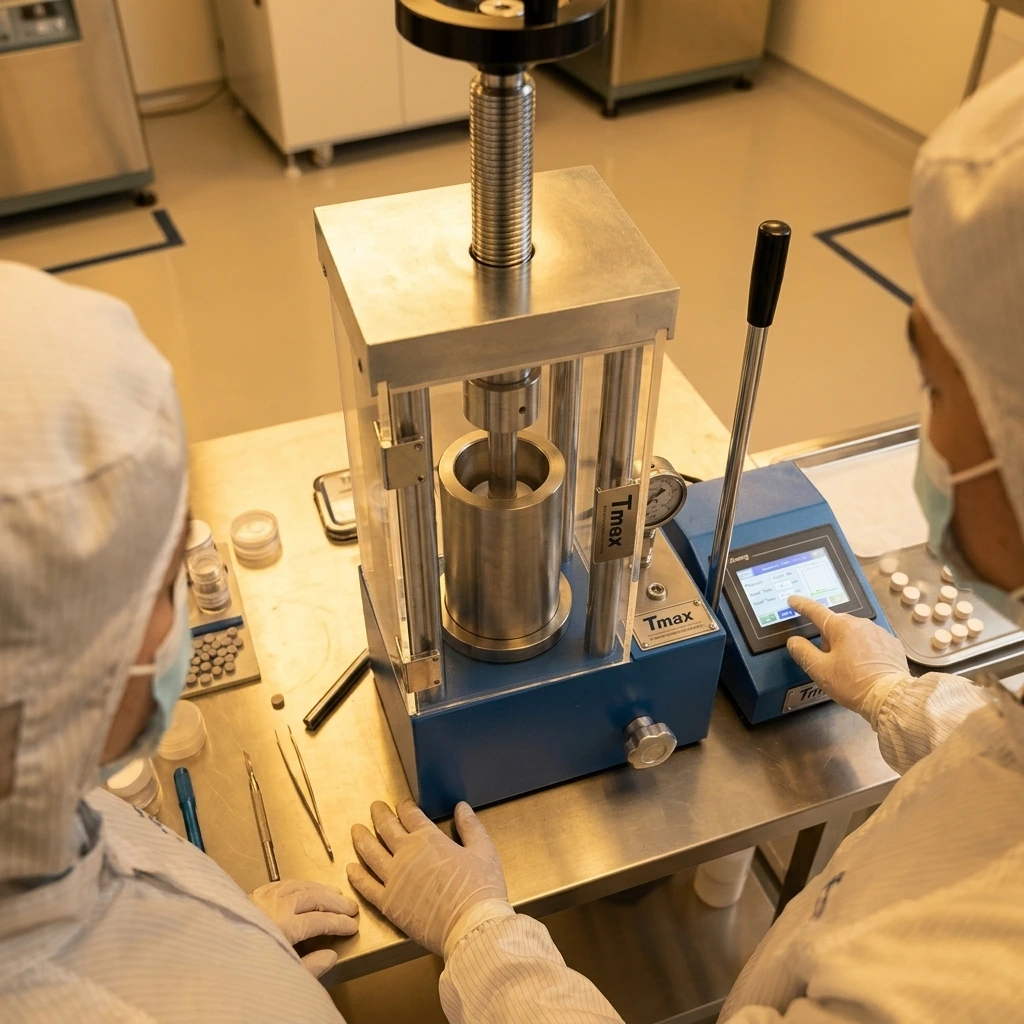
Transitioning from initial research to pilot scale demands versatile machinery. Facilities setting up an experimental line need a flexible that accommodates diverse sample sizes. The Lineng DJYP-TS series provides both manual and electric pressurization modes, delivering rapid pressure builds alongside exceptional stability.
For automated workflows, the ZYJP series utilizes a top-plate rocker structure to manage multi-stage pressure cycles. Combining an with custom tooling streamlines sample preparation while maintaining lab safety.
| *Equipment Type* | *Pressurization Mode* | *Ideal Operational Scale* |
|---|---|---|
| Compact Manual Press | Hydraulic Hand Pump | Initial R&D & Small Pellets |
| DJYP-TS Series | Dual Electric & Manual | Flexible Pilot Testing |
| ZYJP Series | Fully Automatic Rocker Structure | Automated Pilot Production |
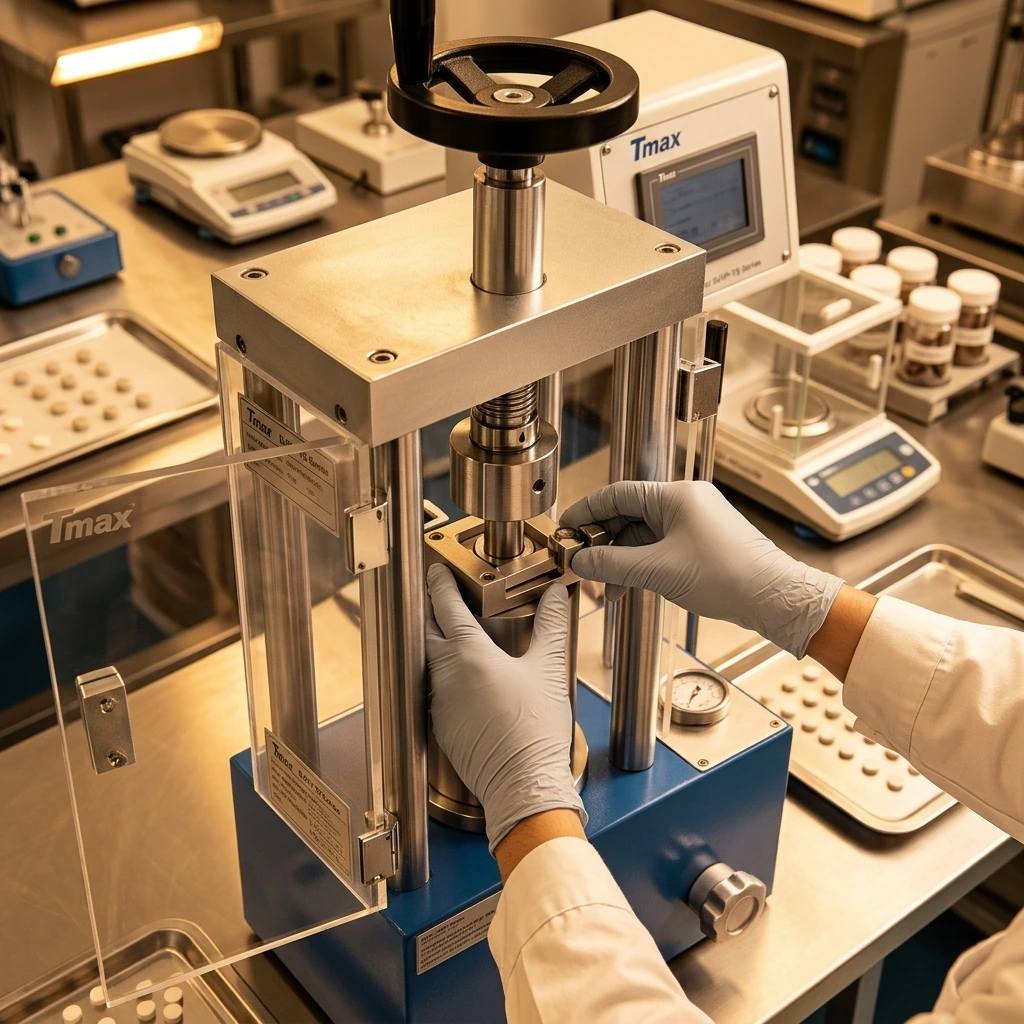
High-pressure operations require strict safety standards. Modern compaction systems include pressure release valves, emergency stop triggers, and reinforced containment vessels. Equipment carrying CE certification gives lab managers confidence during safety reviews and grant audits.
Proper maintenance of hydraulic fluid and seals extends machine lifespan. Combining certified pressing equipment with precision flexible molds minimizes material contamination during powder compaction.
Yes, cold isostatic pressing provides omnidirectional pressure that eliminates density gradients in solid-state battery electrolyte powders. It produces dense green bodies without micro-cracks, ensuring optimal performance during subsequent sintering processes.
Standard compact models ship quickly, while customized units with tailored chamber dimensions or automated rocker lids typically take 4 to 8 weeks. Every machine undergoes full factory testing to verify pressure stability before dispatch.
All equipment lines hold CE certification and comply with standard industrial quality management systems. Complete technical documentation, safety compliance files, and operational manuals accompany each shipment to meet university and corporate procurement requirements.

Quanzhou Lineng Mechinery and Equipment Co., Ltd is a technology-based enterprise, integrating R&D, manufacturing, sales and service.

 IPv6 network supported


