what are you looking for?

Achieving uniform density in solid-state electrolytes or complex battery electrodes requires precise pressure control during the forming process. Many research teams struggle with inconsistent sample density, which leads to unpredictable test results and wasted materials. Selecting the right equipment involves balancing technical requirements for pressure stability with your laboratory budget. We provide clear insights into how specialized features influence your procurement costs and how to identify the right model for your research needs.
The investment required for high-density material processing varies based on the operational complexity of the hardware. Researchers focusing on cold isostatic pressing machine price should first evaluate their specific sample geometry and pressure demands. Units equipped with advanced sealing systems and integrated pressure sensors naturally command a higher price than basic models. For teams working on specialized projects, a cold isostatic pressing machine price for solid-state electrolytes often reflects the need for higher pressure uniformity to prevent structural defects in the final material.

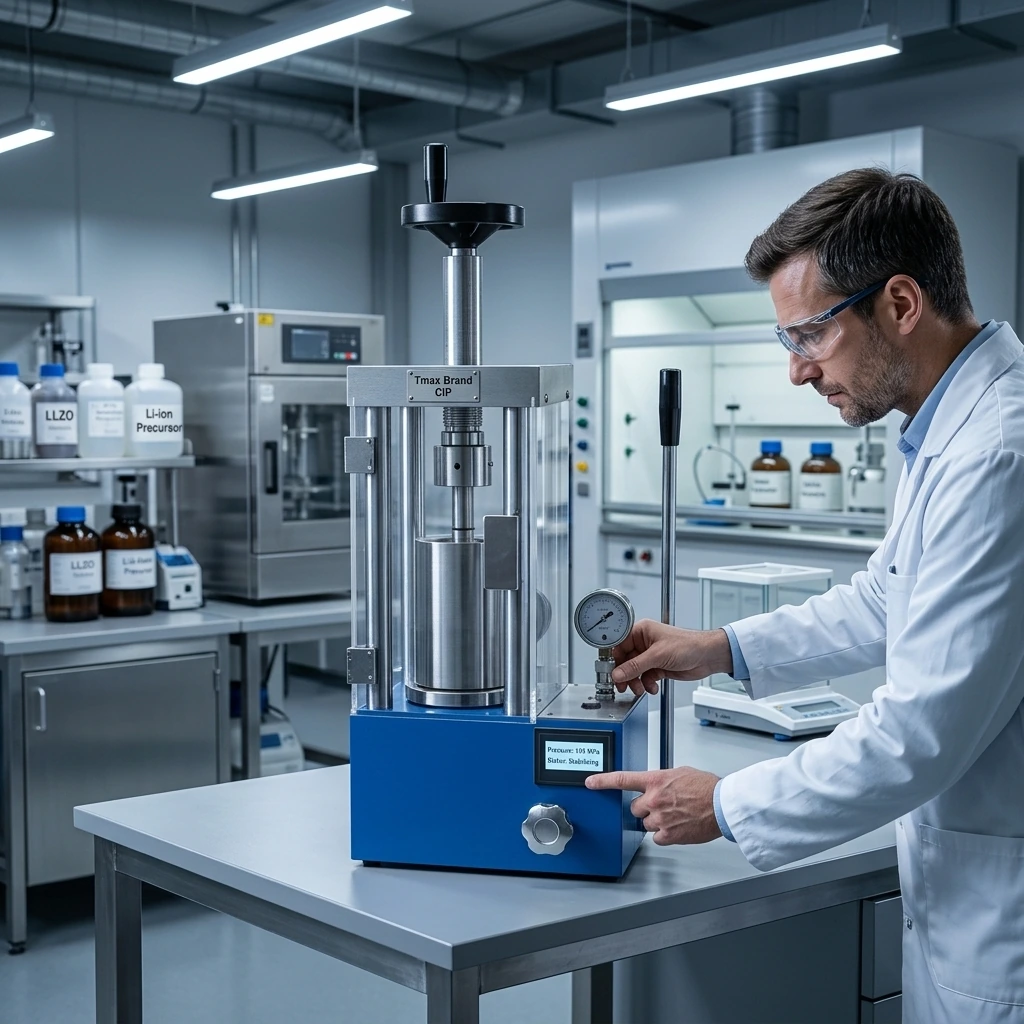
Evaluating the operational mode is a crucial step before finalizing your purchase. Manual systems provide a cost-effective entry point for small-scale experiments, yet they may lack the reproducibility required for long-term material research. In contrast, units that support dual-mode operation offer both manual control and automated pressure cycles. A cold isostatic pressing machine price with dual-mode cip remains a popular choice for laboratories that need to switch between rapid prototype development and repeatable testing, as this flexibility reduces the need for multiple machines.
*Feature Comparison* *Manual CIP* *Dual-Mode CIP*
| Pressure Control
*Manual* *Automated/Manual* Repeatability Moderate High Operational Ease Labor Intensive User Friendly Ideal Application Pilot Study Material Research
Sourcing equipment directly from manufacturers allows you to bypass intermediaries while securing comprehensive technical support. A factory direct cold isostatic pressing machine price often includes the benefit of customized mold designs and specific pressure chamber dimensions tailored to your existing workflow. For those managing strict grant budgets, discussing your specific capacity needs with our technical team at ensures that you pay only for the features necessary for your research. Consistent maintenance and proper setup are essential to protecting your investment in .
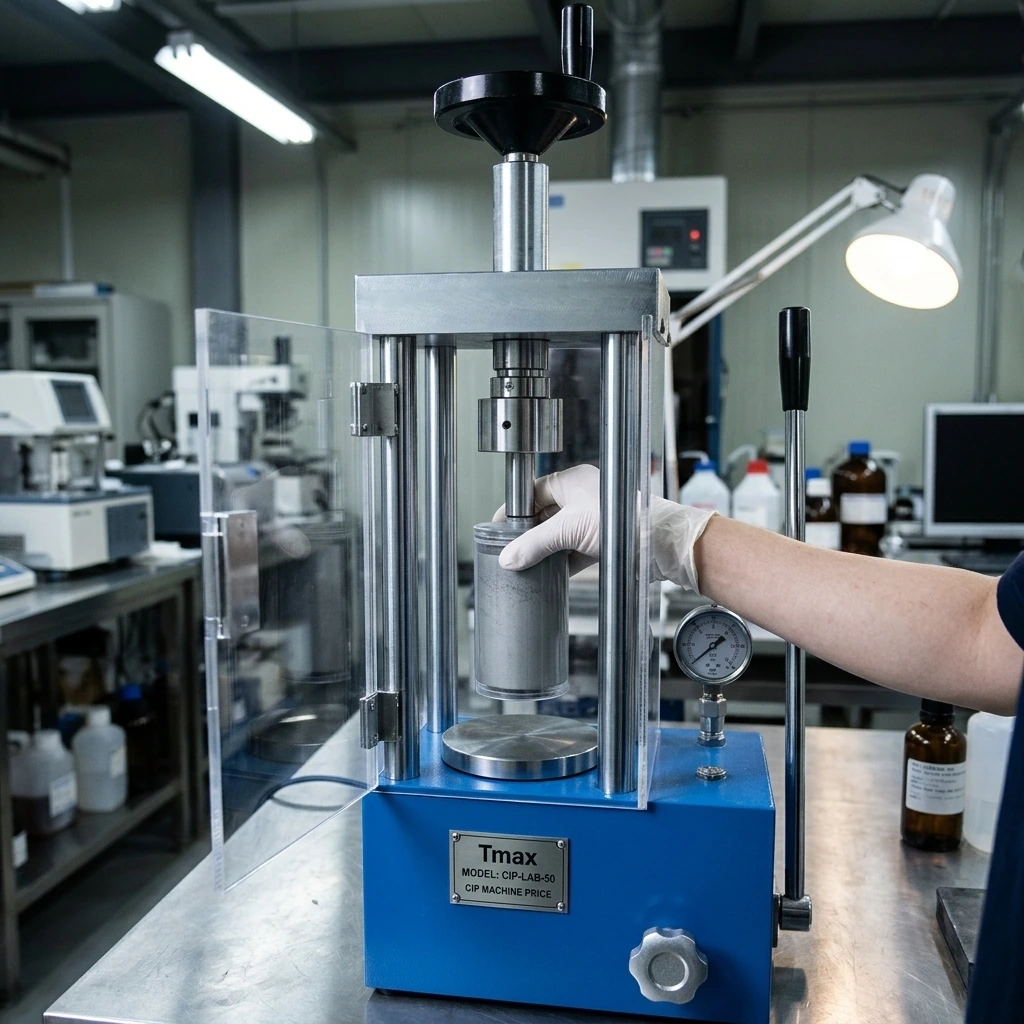
When evaluating the cold isostatic pressing machine price, focus on the required pressure limit and chamber size rather than just the initial cost. For instance, a cold isostatic pressing machine price for solid-state electrolytes might be higher due to specialized high-pressure requirements, but this ensures the density accuracy needed for publishable results.
Most factory direct cold isostatic pressing machine price quotes include initial operation manuals and digital support for installation. If you require on-site training for your laboratory staff, we provide detailed equipment training packages to ensure your team can operate the system safely and effectively.
Upgrading a cold isostatic pressing machine price with dual-mode cip functionality is complex and often requires replacing the core hydraulic control system. We recommend assessing your long-term research goals during the initial procurement phase to avoid the high costs of future modifications.

Quanzhou Lineng Mechinery and Equipment Co., Ltd is a technology-based enterprise, integrating R&D, manufacturing, sales and service.

 IPv6 network supported