what are you looking for?

Achieving uniform density in solid-state electrolytes and advanced ceramics often fails due to uneven pressure distribution during standard dry pressing. Traditional uniaxial pressing leaves internal stress gradients, leading to microcracks during sintering. A Cold Isostatic Press resolves this by applying equal hydraulic pressure from all directions, ensuring flawless powder compaction. This article explores how modern laboratory and pilot-scale isostatic equipment optimizes material density, prevents structural defects, and accelerates research in energy storage and advanced materials.
Standard pressing methods often struggle with geometric friction, resulting in density variations across complex parts. A Cold Isostatic Press eliminates this issue by submerging the sealed powder mold directly into a liquid medium. The liquid transmits pressure equally across the entire surface of the green body.
This multi-directional force creates a highly homogenous microstructure. For researchers working on solid-state battery electrolytes, this uniform compaction prevents the formation of localized weak spots. Consequently, the sintered components exhibit superior mechanical strength and consistent electrical properties.

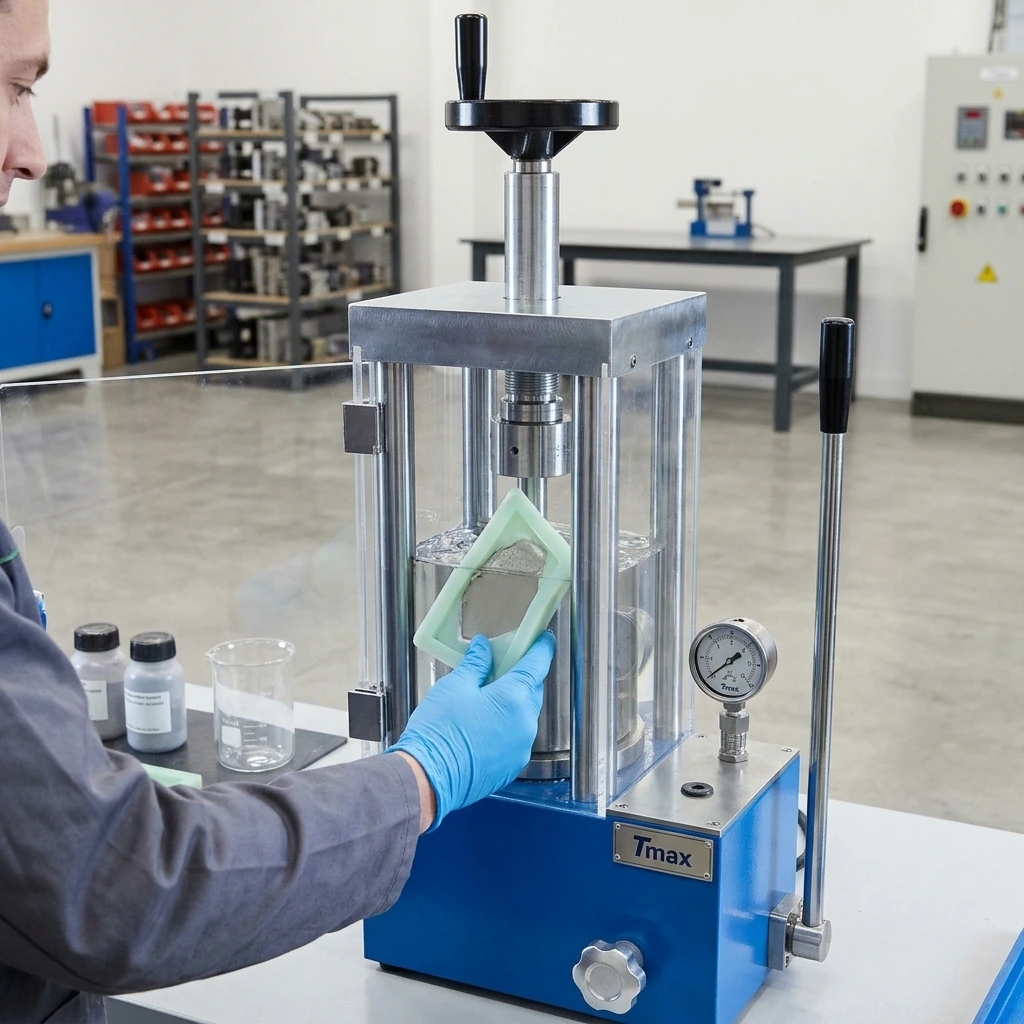
Modern laboratories require both rapid testing capabilities and stable, long-term pressure hold times. To meet these diverse research demands, the DJYP-TS series introduces a versatile dual-mode operation system.
*Operation Mode* *Pressurizing Mechanism* *Best Used For* Manual Mode Hand-operated hydraulic pump Quick material screening and single-sample trials Electric Mode Motor-driven automated pump Rapid compaction and precise pressure maintenance
This dual-mode capability allows engineers to switch seamlessly between manual adjustments for delicate samples and electric pressure control for routine testing. For fully automated workflows, the ZYJP series utilizing a swinging arm structure simplifies sample loading. You can explore these compact configurations under the category.
Different powders react uniquely under high-pressure conditions. Selecting the correct equipment setup depends heavily on your target material and production scale.
Using a specialized cold isostatic press for functional ceramics ensures that fine oxides, carbides, and nitrides achieve optimal green density. This is particularly vital for structural parts where even minor voids cause catastrophic structural failure under stress.
Selecting a dedicated cold isostatic press for powder compaction helps control the compression ratio of raw materials. To achieve clean releases and accurate dimensions, researchers must pair the machine with high-quality, elastic polyurethane or silicone molds from the collection.
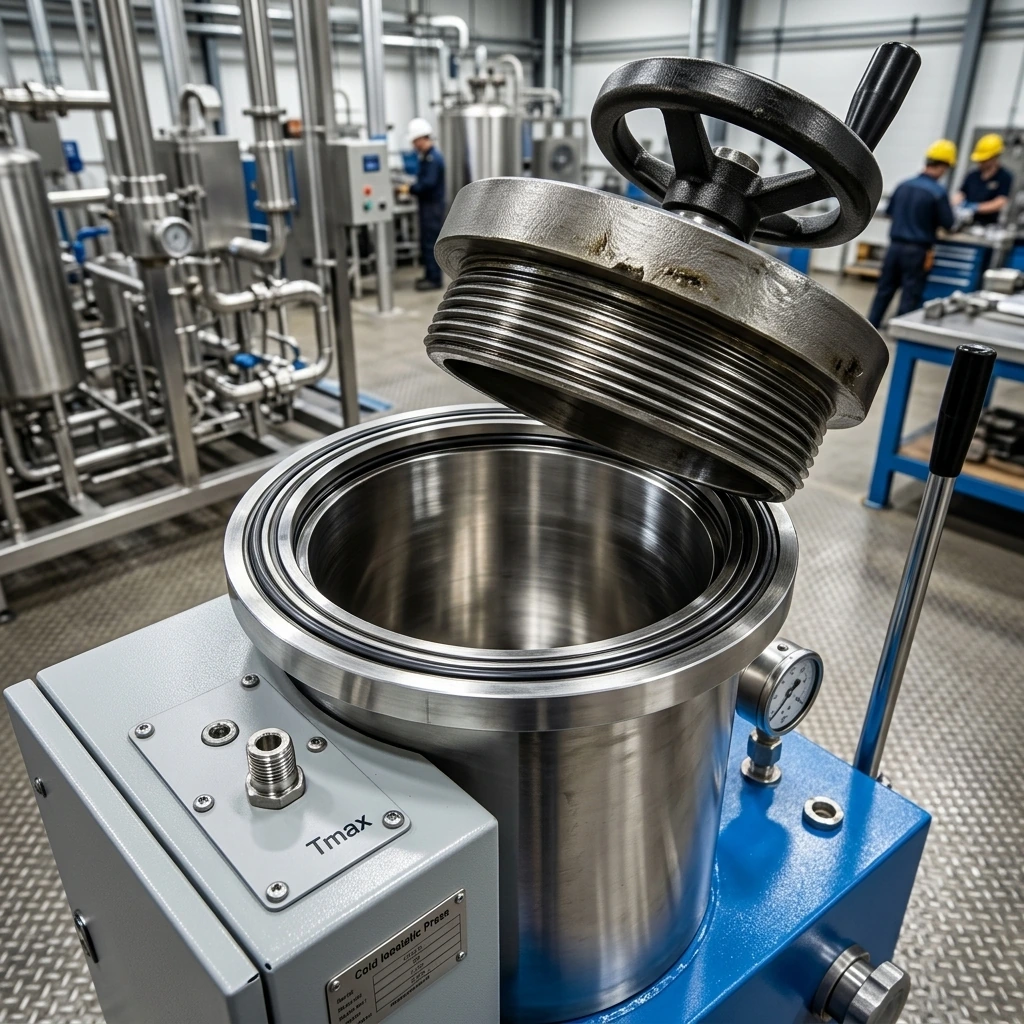
High-pressure operations require strict safety standards. Utilizing a cold isostatic press with ce certified vessel guarantees that the pressure chamber has undergone rigorous stress testing. These certified vessels feature robust steel walls designed to withstand pressures up to several hundred megapascals without fatigue. High-pressure research setups benefit greatly from these integrated safety relief valves and rupture discs, protecting both laboratory staff and delicate auxiliary equipment during daily testing cycles.
For comprehensive laboratory setups, combining isostatic pressing with precise thermal processing yields the best material properties. You can view compatible sintering systems in our section.
Yes. The multi-directional hydraulic pressure ensures that long, thin tubes receive equal force along the entire length. This prevents bending and warping during compaction, which is a common failure point when using uniaxial mechanical dies.
A CE certified vessel undergoes strict structural analysis to handle maximum rated pressures safely. It includes overpressure protection, safety interlocks, and heavy-duty steel construction. These features prevent chamber failure, ensuring safe operation in university labs and industrial R&D centers.
By eliminating density gradients during the initial compaction phase, the green compact shrinks uniformly during sintering. This minimizes warpage, eliminates internal cracks, and allows you to achieve near-theoretical density at lower sintering temperatures.

Quanzhou Lineng Mechinery and Equipment Co., Ltd is a technology-based enterprise, integrating R&D, manufacturing, sales and service.

 IPv6 network supported